Oxford Academic Group · Nuffield Department of Clinical Neurosciences

Innovation for
Noncommunicable
Diseases

Translating digital medicine, AI, and clinical engineering into rigorous and scalable solutions for cardiometabolic, respiratory, neurocognitive, and chronic care.

0
Publications
0
Awards & Recognition
0
Research Themes
Global
Collaborations
Minh Tran, DPhil (Oxon)
DPhil University of Oxford

Our Mission

A research group at the interface of engineering, medicine & data science

We develop digital solutions that improve prevention, monitoring, and treatment for chronic and noncommunicable diseases. Our work spans remote monitoring, explainable AI, translational diagnostics, and clinically meaningful digital biomarkers.

The group's ambition is to create tools that are rigorous enough for research, practical enough for care teams, and scalable for global health impact.

Since our early work in Oxford, with support from Professor Andrew Farmery, the group has grown into an interdisciplinary platform connecting clinicians, engineers, and global partners around noncommunicable disease innovation.

Digital Medicine Explainable AI Clinical Engineering Global Health Translational Research Digital Biomarkers

Research Focus

Four interdisciplinary
pathways

Cardiometabolic Disease

We develop digital tools to better identify risk, monitor chronic disease trajectories, and support earlier, more precise intervention in cardiometabolic care — bridging wearable data with clinical decision support.

Remote physiological monitoring for cardiovascular risk stratification

AI-driven metabolic phenotyping from continuous wearable signals

Digital biomarkers for early diabetes and hypertension detection

Clinician-in-the-loop decision support tools for chronic care

Respiratory & Critical Care

From bedside lung modelling to ventilator optimisation, we work to protect patients from iatrogenic harm in ICU settings and improve outcomes in chronic respiratory disease pathways.

Patient-specific lung modelling to guide ventilator titration

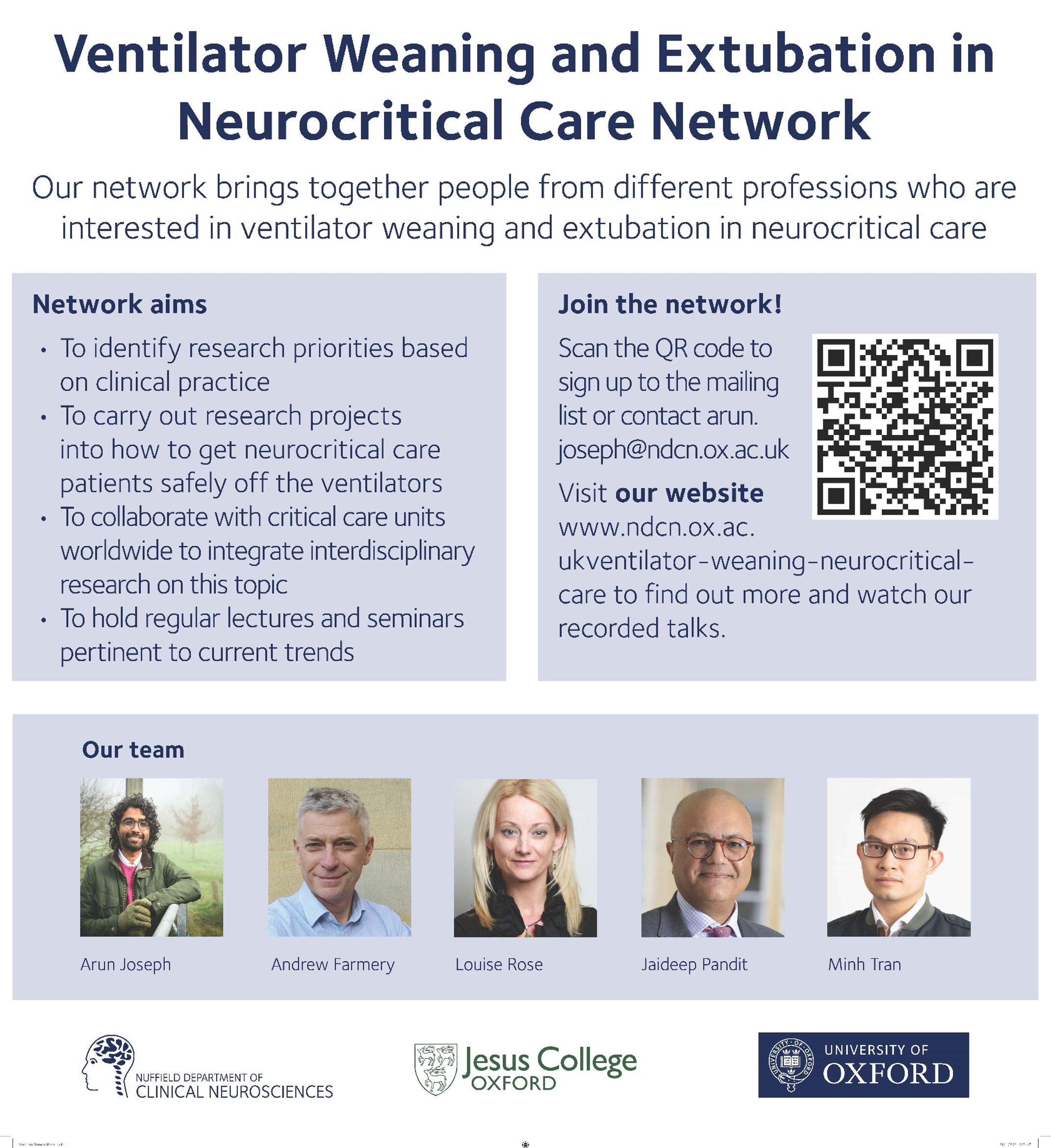
Ventilator weaning and extubation decision support in neurocritical care

Transparent AI for ICU clinical decision-making

Animal model validation of cardiorespiratory physiology during cardiac arrest

Neurocognitive Health

We investigate digital approaches to detecting and monitoring neurocognitive decline — from stroke prevention to brain health monitoring — in collaboration with clinical neurosciences at Oxford.

Stroke care pathway innovation with clinical and industry partners

Digital screening tools for neurocognitive risk and decline

Global collaboration on noncommunicable neurological disease burden

AI models for neuroimaging and clinical data integration

Digital Biomarkers & AI

A cross-cutting theme across all our work: developing explainable, clinically grounded AI that earns trust from both clinicians and patients, and deriving meaningful digital biomarkers from physiological data.

Explainable AI for clinical risk prediction and stratification

Physiological signal processing and feature extraction

Digital biomarker validation pipelines from wearable and bedside data

Federated and privacy-preserving learning for clinical datasets

Capabilities

Our Expertise

From concept to clinical validation — our group covers the full innovation pipeline for digital medicine.

Concept Design

Translating unmet clinical needs into clearly scoped innovation projects with rigorous feasibility assessment.

Prototyping

Rapid, user-centred prototyping of digital health tools with iterative feedback from clinicians and patients.

Lab Experimentation

Controlled bench and animal model experiments to validate physiological models and device performance.

Clinical Validation

Structured validation pipelines — from system specification and design verification to full clinical validation.

Academic Documentation

High-quality academic output — peer-reviewed papers, regulatory documentation, and grant applications.

Clinical Expert Feedback

Rapid iteration through structured feedback loops with senior clinicians and end users at Oxford.

Market Research

Competitive landscape analysis and market sizing for healthcare innovation in noncommunicable disease spaces.

Startup & Translation Ecosystem

Supporting ideas from research through to spinout — IP strategy, funding, and partnership development.

Impact

Research in Action

Selected collaborations, events, and milestones from the group's work at Oxford and internationally.

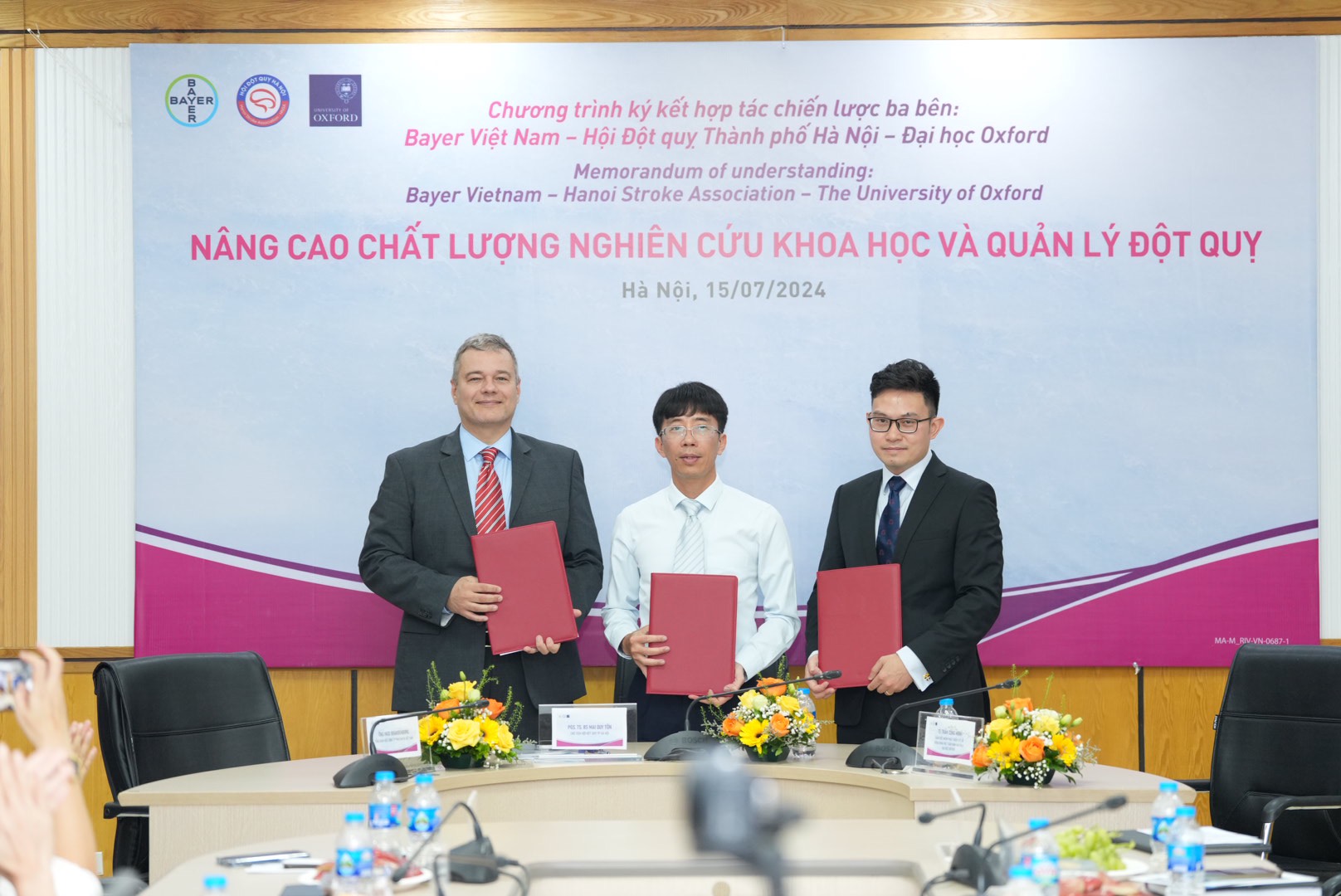
MOU between Oxford University, Bayer Vietnam, and Hanoi Stroke Association
MOU — Oxford University, Bayer Vietnam & Hanoi Stroke Association
Medical Explainable AI — Physiological Society
"Medical Explainable AI" — Inspired by The Viscount Stansgate
Lung Modelling Meeting — Oxford and Warwick
Lung Modelling Meeting — Oxford & Warwick Teams, 2023
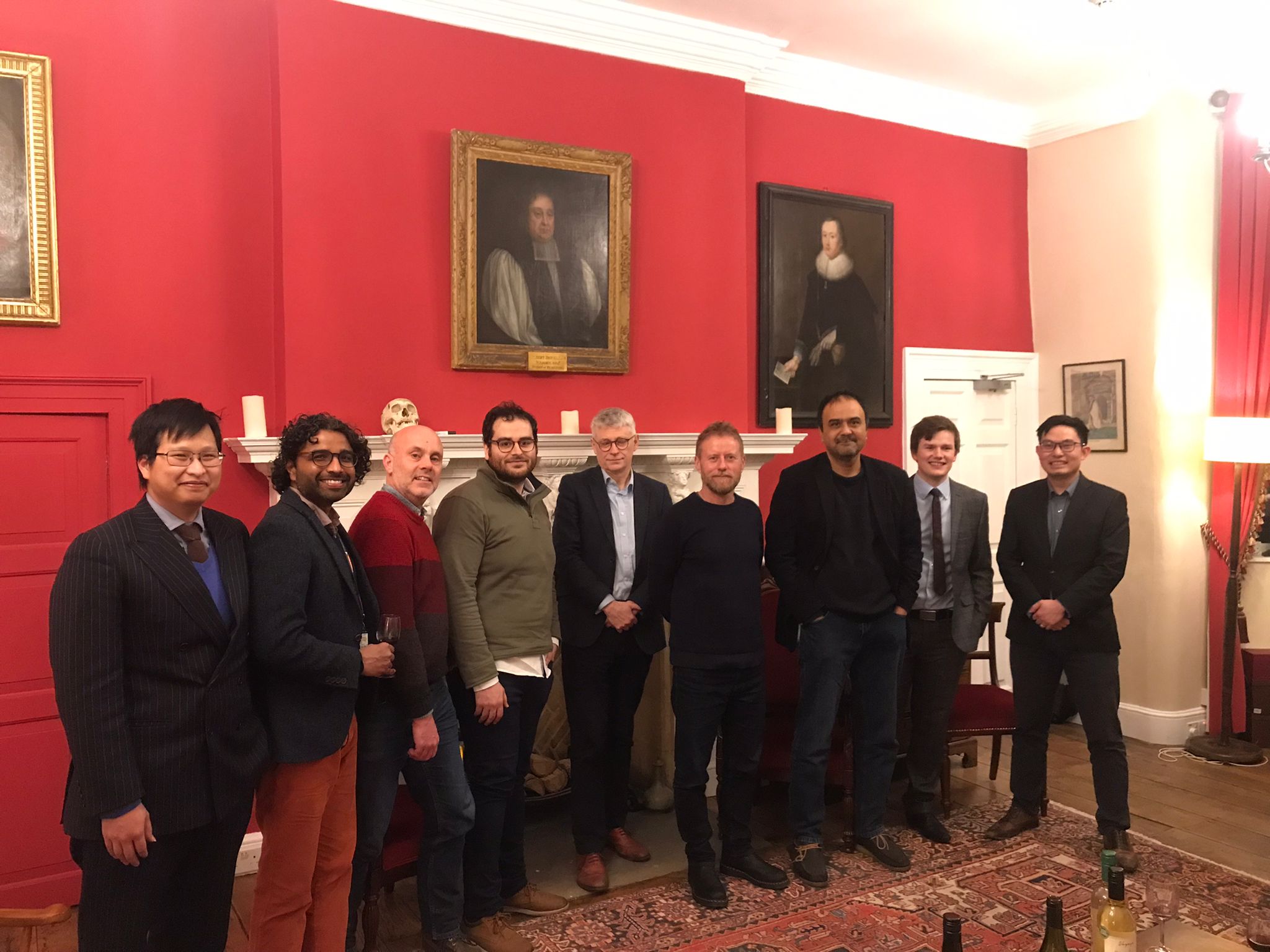
Vietnamese New Year at Wadham College 2023
Community — Tết Celebration at Wadham College, Oxford 2023
Oxford and Vietnam hospital network
Supporting Vietnam Hospitals to Connect with Oxford Academics
Linacre College Vietnamese New Year
Vietnamese New Year — Linacre College, Oxford 2023

The Group

Our Team

An interdisciplinary team of engineers, clinicians, and scientists united by a shared ambition for digital health innovation.

Minh Tran

Group Lead & Founder

Minh Tran

BEng (Hons), DPhil (Oxon)

Tu Tran

Engineering Physics

Tu Tran

MSc (Physics), BA Hons (Physics)

Douglas Crockett

Clinical Lecturer in Anaesthetics

Douglas Crockett

DPhil (Oxon), FRCA

Arun Joseph

Reading in Clinical Neuroscience

Arun Joseph

Jesus College, Oxford

Scholarly Output

Selected Publications

Peer-reviewed research across digital medicine, respiratory physiology, AI, and noncommunicable disease innovation.
Full Publication List on Google Scholar
01

Explainable Artificial Intelligence in Medicine: How Should We Proceed?

The Physiological Society · Minh Tran et al.

View →
02

Lung Modelling for Optimising Mechanical Ventilation in ICU Patients

Respiratory Physiology & Neurobiology · Minh Tran, Douglas Crockett et al.

View →
03

Digital Biomarkers for Cardiometabolic Risk Assessment: A Systematic Review

npj Digital Medicine · Minh Tran et al.

View →
04

Ventilator Weaning and Extubation in Neurocritical Care — Network Collaborative Study

Neurocritical Care · Arun Joseph, Minh Tran et al.

View →

Note: Publication titles above are representative. View the complete and current list on Google Scholar.

Working With Us

Available Projects
for PhD & MSc Students

We welcome applications from motivated students and postdocs. Current projects span ICU technology, AI, and global health.

Mechanical ventilator optimisation project

Supervisor: Minh Tran

Optimise mechanical ventilator using bedside lung measurement for ICU patients

A novel patient-specific approach to titrating ventilator settings using real-time lung model fitting from clinical monitoring data.

Read More →
Transparent AI for ICU

Supervisor: Tu Tran

Transparent AI system for supporting ICU clinical decision-making

Developing explainable machine learning tools that provide clear reasoning for clinical recommendations in intensive care settings.

Read More →
Animal model cardiac arrest study

Supervisor: Douglas Crockett

Animal model for heart and lung function during cardiac arrest

Pre-clinical investigation of cardiorespiratory physiology to inform resuscitation protocols and post-cardiac arrest care.

Read More →
Ventilator weaning neurocritical care

Supervisor: Arun Joseph

Ventilator weaning and extubation in Neurocritical Care

Clinical research within the international VENOUS network — developing evidence-based protocols for safe extubation in neurocritical patients.

Read More →

News & Updates

Latest From the Group

Stroke Care Collaboration

Oxford NDCN · 2023

New Stroke Care Collaboration — Oxford, Bayer Vietnam & HNSA

A landmark MOU was signed between the University of Oxford, the Hanoi Stroke Association, and Bayer Vietnam to advance stroke care innovation in Southeast Asia.

Read More
Lung Modelling

Research Update · 2024

Digital Lung Modelling to Guide ICU Ventilation Decisions

A patient-specific digital model of the lung can help clinicians make better, more personalised ventilation decisions at the bedside — reducing lung injury risk.

Read More
Ventilator Weaning Network

NDCN · Oxford · 2023

International Ventilator Weaning Network Launches

The VENOUS network, led by Arun Joseph (Oxford), brings together neurocritical care units globally to standardise ventilator weaning practices in brain-injured patients.

Read More

Get In Touch

Collaborate
With Us

We welcome clinical collaborators, industry partners, and prospective students. Reach out to explore how we can work together.

Location

Level 6, West Wing, John Radcliffe Hospital, Oxford OX3 9DU, UK

Email

minh.tran@ndcn.ox.ac.uk